The Radio Planet

The canon of the air

Fifty Broadcasts That Changed History

The transmissions that altered what happened next

Not the best broadcasts — the consequential ones. Programmes that invented a form, moved an argument, built an audience, or told a country something it could not un-hear.

50 entries1925–1962Ranked by hand

Cast a ballot on any entry to move it in the listeners' order.

The head of the list

The Halloween 1938 broadcast of The War of the Worlds put a Sunday-night literary hour on the front page of every newspaper in America and started a permanent argument about what broadcasting can do to an audience. The surviving recording is calmer and cleverer than its reputation: it works because it imitates the news bulletins listeners already trusted.

The night radio discovered it could be believed.

The whole run
00 ballots

Attached: Dracula1938-07-1159 min

The Mercury Theatre on the Air
The Mercury Theatre on the Air cover
1933–1944 · Network radio

The Fireside Chats

Roosevelt used the microphone as a living room rather than a platform, and the banking crisis talk of March 1933 is the moment mass politics learned to speak quietly. Every broadcast leader since has worked from this model, whether they know it or not.

The broadcast that taught power to lower its voice.

00 ballots
The Fireside Chats

1941 · Network radio

1941: The Year in Radio News

The bulletins that interrupted a Sunday afternoon of football and concert music, and the address to Congress the following day. Kept as broadcast, they show a country finding out in real time.

December 7th, exactly as the dial carried it.

00 ballots
1941: The Year in Radio News

Four to 50

  1. 1939–1945 · Network radio

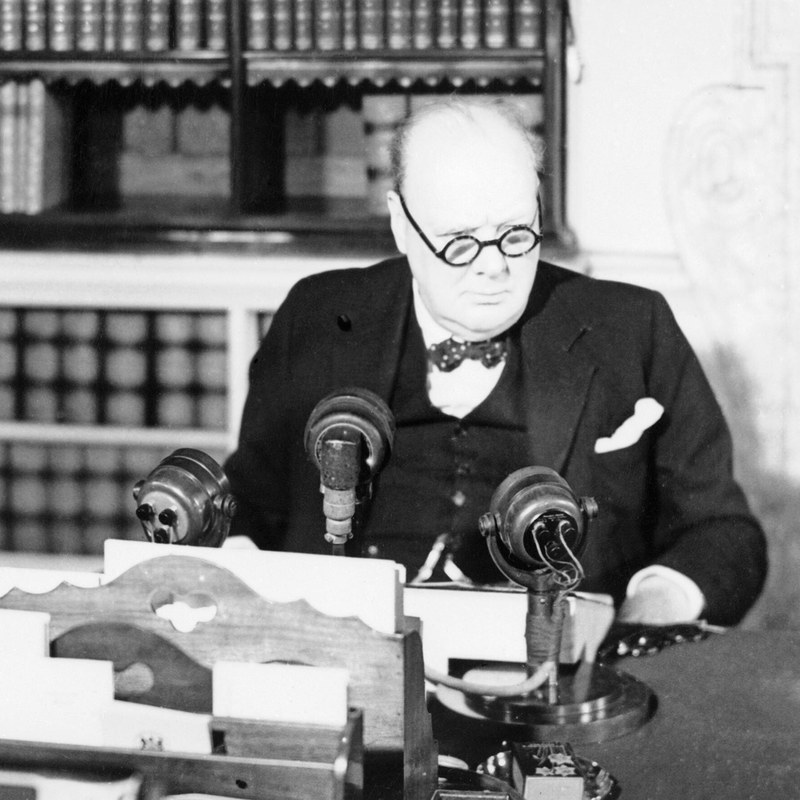
    Winston Churchill: The BBC Broadcasts

    Speeches written for the Commons and then carried to a listening country, in a delivery deliberately slower than ordinary speech. The BBC transfers are the record of a government deciding that morale was a broadcast problem.

    “Rhetoric built for the loudspeaker, not the chamber.”

    00 ballots
  2. 1944 · Network radio

    D-Day: The Complete Broadcast Day

    A full day of network output from 6 June 1944, bulletins, prayers, sponsor copy and all. Nothing else in the archive shows so plainly what it was like to wait by a set for news that arrived in fragments.

    “History as it actually reached the living room: slowly.”

    00 ballots
  3. 1939–1945 · Network radio

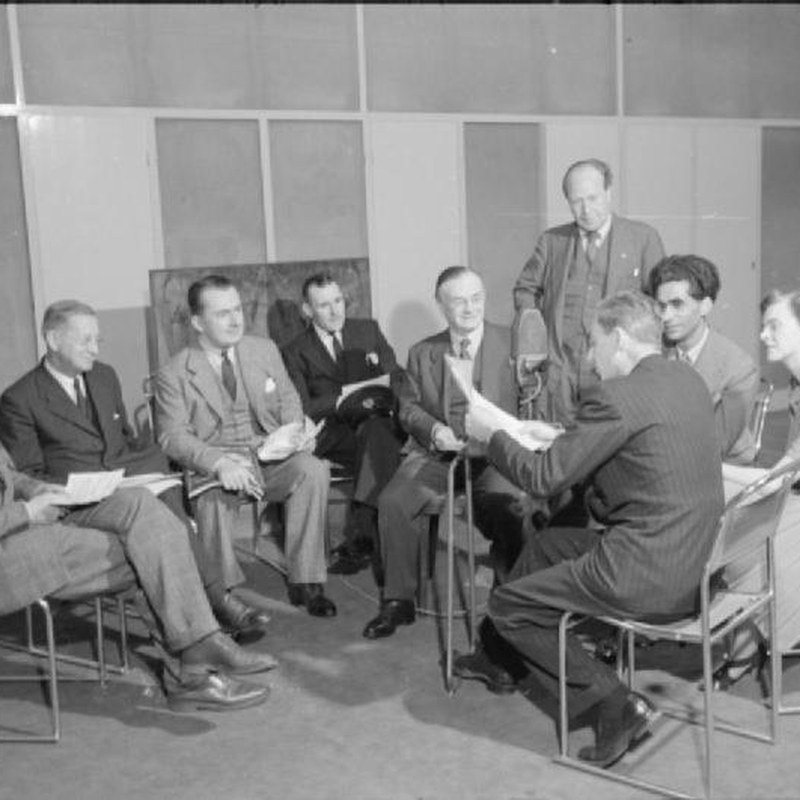
    London Calling: BBC News at War

    Bulletins read straight while the city they described was being bombed, and shortwave services aimed at occupied Europe. The plainness of the delivery was the policy, and it is why the service was believed abroad.

    “The most trusted voice in Europe, because it refused to shout.”

    00 ballots
  4. 1945 · Network radio

    1945: The Year in Radio News

    Roosevelt's death, the surrender in Europe, Hiroshima and the end of the Pacific war, all inside eight months of bulletins. The announcers audibly have no template for any of it.

    “The year the news outran the language for it.”

    00 ballots
  5. 1950–1951 · Network radio

    Hear It Now

    Murrow and Fred Friendly assembling the week from actuality recordings rather than studio narration, a year before they took the same method to television as See It Now. The documentary form of modern broadcast journalism starts here.

    “The blueprint for every news magazine that followed.”

    00 ballots
  6. 1939 · Network radio

    WJSV: A Complete Broadcast Day

    One Washington station recorded from sign-on to sign-off on 21 September 1939, the day Roosevelt asked Congress to revise the Neutrality Act. Soap operas, farm reports, a ball game and a presidential address, in the order a listener actually heard them.

    “The single most valuable day of tape in American radio.”

    00 ballots
  7. 1938 · Network radio

    1938: The Year in Radio News

    The Munich crisis forced the networks to invent the multi-city news round-up, cutting live between European capitals on the same programme. The technique was improvised under deadline and became the standard shape of broadcast news.

    “The crisis that built the newsroom.”

    00 ballots
  8. 1943–1945 · Network radio

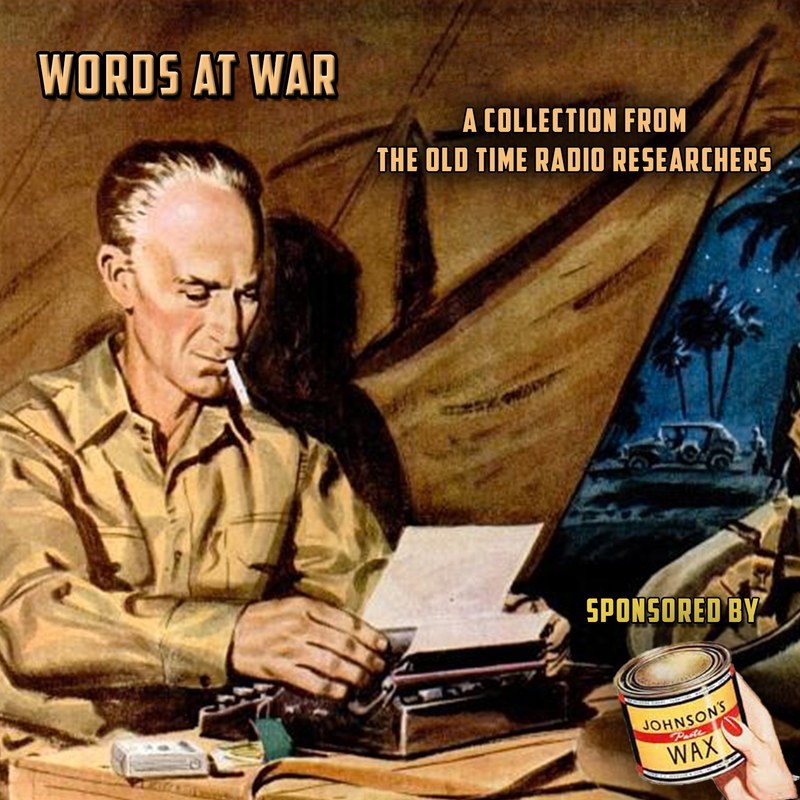
    Words at War

    NBC dramatised new war books, often within months of publication, with an unusual willingness to let the material stay bleak. It treated a mass audience as capable of reading, and of hearing bad news.

    “Wartime radio at its least consoling, and its most honest.”

    00 ballots
  9. 1939–1945 · Network radio

    Broadcasting from the Enemy

    Propaganda transmissions aimed at Allied troops and civilians, kept as monitored. They are evidence of what the other side thought would work, which is a kind of history you cannot get from your own archives.

    “The war's other voice, preserved for study rather than agreement.”

    00 ballots
  10. 1932–1953 · Network radio

    The Royal Broadcasts

    The Christmas messages, the abdication address and the coronation coverage, which turned a distant institution into a household one. Broadcasting is the reason the modern monarchy is something people hear rather than read about.

    “The crown, rebuilt for the loudspeaker.”

    00 ballots
  11. 1947–1950 · Network radio

    You Are There

    CBS sent its own news correspondents to cover the fall of Troy and the trial of Socrates in straight bulletin style. A gimmick on paper, it is the most effective history teaching radio ever attempted.

    “The past, filed as breaking news.”

    00 ballots
  12. 1935–1953 · Network radio

    Cavalcade of America

    Corporate-sponsored American history, researched more carefully than the format required and staged with first-rank casts. It set the template for the sponsored prestige documentary that public broadcasting later inherited.

    “History as a company likes it, made better than it had to be.”

    00 ballots
  13. 1947 · Network radio

    One World Flight

    Norman Corwin circled the postwar world with a recorder and came back with ordinary people describing what had happened to them. It is the first great piece of international radio reportage built from voices rather than commentary.

    “The world, interviewed while the rubble was still warm.”

    00 ballots
  14. 1932–1948 · Network radio

    Vox Pop

    A Texas station's stunt of stopping passers-by with a microphone became a network fixture and then the standard method of every broadcaster since. The man-in-the-street interview is not a natural form; it was invented here.

    “The programme that put the public on the air.”

    00 ballots
  15. 1935–1956 · Network radio

    America's Town Meeting of the Air
    Live, unscripted argument on the questions of the day, with an audience allowed to put hostile questions to the speakers. Broadcast debate as a civic instrument rather than a shouting format.

    “Proof that argument on air used to be a public service.”

    00 ballots
  16. 1942–1949 · Network radio

    Command Performance

    The Armed Forces Radio Service persuaded the biggest names in America to work for nothing, on request from servicemen overseas. It also produced recordings of stars behaving far more loosely than any sponsor would have allowed.

    “The greatest variety bill ever assembled, and it was never sold.”

    00 ballots
  17. 1942–1949 · Network radio

    Mail Call

    Armed Forces Radio built a variety bill entirely out of requests posted in by servicemen, which made the audience the producer. The stars work looser than any sponsor would have permitted, and none of it was ever sold to anyone.

    “The only network in America whose listeners wrote the running order.”

    00 ballots
  18. 1928–1955 · Network radio

    Amos 'n' Andy

    The first true national broadcasting habit: cinemas stopped films so audiences would not miss it. It is also a white-performed racial caricature that the NAACP campaigned against for decades, and both facts are why it belongs on a list about influence rather than merit.

    “The show that built the network audience, and the argument about it.”

    00 ballots
  19. 1933–1954 · Network radio

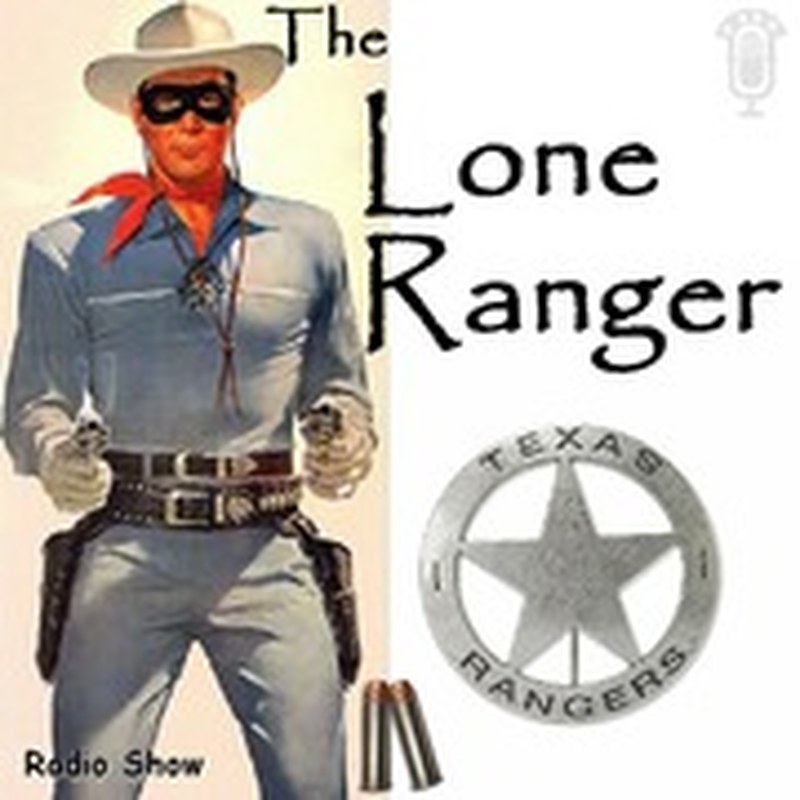
    The Lone Ranger

    A Detroit station's serial that created a national franchise, a syndication model and most of the grammar of the radio western. Hoofbeats, an overture borrowed from Rossini, and a hero defined by restraint.

    “The most successfully exported hero in broadcasting.”

    00 ballots
  20. 1940–1951 · Network radio

    The Adventures of Superman

    Kryptonite, Jimmy Olsen and Perry White were invented for radio and then absorbed by the comics. In 1946 it also ran a serial that exposed the Ku Klux Klan's rituals to a children's audience, and the Klan's recruitment suffered for it.

    “A children's serial that did more damage to the Klan than most legislation.”

    00 ballots
  21. 1949–1957 · Network radio

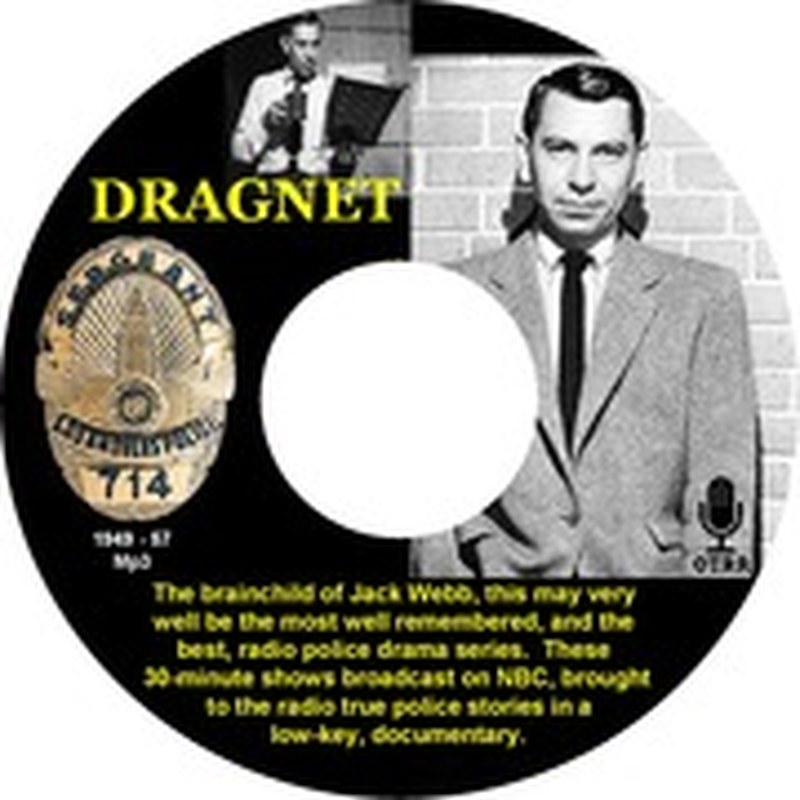
    Dragnet

    Jack Webb replaced the pulp detective with paperwork, procedure and the flat rhythm of men doing a job. Every police procedural since, in any medium, is descended from it.

    “The show that made realism a style.”

    00 ballots
  22. 1952–1961 · Network radio

    Gunsmoke

    The adult western arrives fully formed: tired men, bad weather and violence that costs something. It proved a mass-audience genre could carry moral weight, and television spent the next decade copying it.

    “The most grown-up drama series American radio produced.”

    00 ballots
  23. 1934–1955 · Network radio

    Lux Radio Theater

    An hour of Hollywood every Monday, with the original stars where the studios allowed it, heard by audiences who could not get to a cinema. It welded the film industry to broadcasting and invented the modern promotional appearance.

    “The largest theatre ever built, and it had no seats.”

    00 ballots
  24. 1925– · Network radio

    The Grand Ole Opry

    A Nashville barn dance carried by clear-channel signal across the South and Midwest, turning a regional music into a national industry. Country music's commercial existence is a broadcasting fact before it is a musical one.

    “The programme that built an industry out of a signal.”

    00 ballots
  25. 1934–1963 · Network radio

    The World Series on the Radio

    Play-by-play made a local game into a national event and taught broadcasters how to hold an audience through hours of nothing much happening. The crowd noise alone is a social document.

    “The invention of the shared national afternoon.”

    00 ballots
  26. 1930s–1950s · Network radio

    The Fights

    Championship boxing was the first sport built for radio, because it needed no diagram to follow. The Louis broadcasts in particular drew audiences that no other programming of the era approached.

    “Three minutes at a time, the biggest audience in America.”

    00 ballots
  27. 1935–1957 · Network radio

    Gang Busters

    Case files dramatised at volume, with the cooperation of police departments and a closing description of a wanted fugitive that turned listeners into a search party. It also gave the language a phrase.

    “The loudest programme on the dial, and it made arrests.”

    00 ballots
  28. 1945–1953 · Network radio

    This Is Your FBI

    Made with the Bureau's blessing and shaped by it, which is precisely what makes it useful: it is a federal agency's own account of how it wished to be heard. Institutional image-making, preserved weekly.

    “Public relations as drama, and a primary source because of it.”

    00 ballots
  29. 1939–1952 · Network radio

    Mr. District Attorney

    Prosecution as heroism, complete with an oath of office read at the top of every programme. It shaped a generation's idea of what a public prosecutor is for.

    “The courtroom drama's founding document.”

    00 ballots
  30. 1933–1939 · Network radio

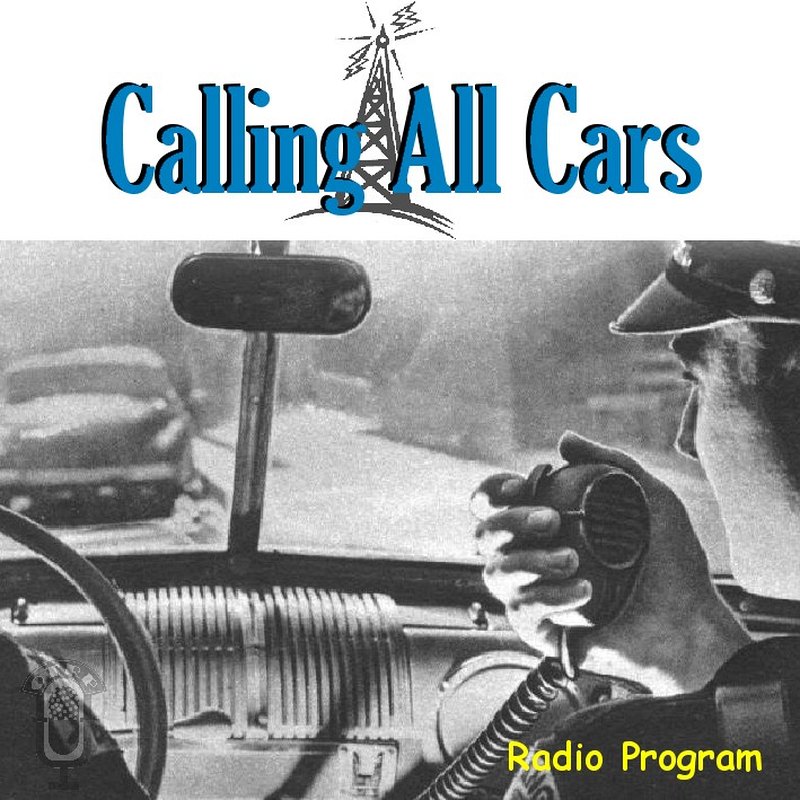
    Calling All Cars

    West Coast police cases dramatised with department cooperation, years before the network crime shows. The earliest sustained example of law enforcement using entertainment radio as an instrument.

    “Where the police procedural actually begins.”

    00 ballots
  31. 1937–1954 · Network radio

    The Shadow

    A narrator for a pulp anthology grew into the character, which is a purely radio accident, and the invisible hero is a purely radio idea. Orson Welles played him at twenty-two.

    “The one hero who could only ever have existed on radio.”

    00 ballots
  32. 1942–1962 · Network radio

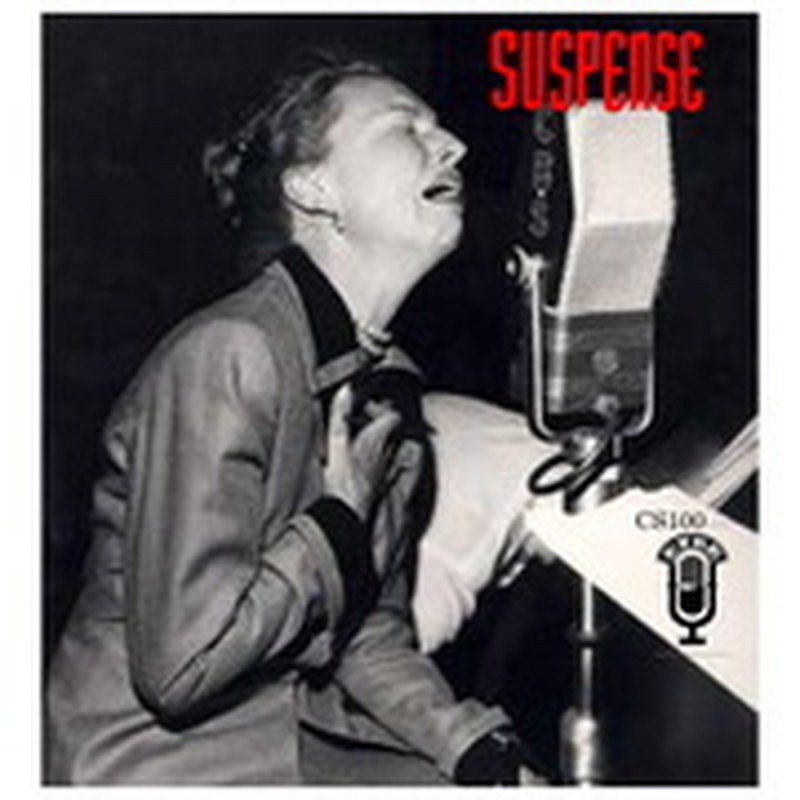
    Suspense

    Twenty years of CBS thrillers built on the discovery that an orchestra's greatest power on radio is the ability to stop. It made single-play anthology drama commercially permanent.

    “The best-made thriller series in American radio, and the quietest.”

    00 ballots
  33. 1950–1951 · Network radio

    Dimension X

    NBC bought scripts from Bradbury, Heinlein, Asimov and Pohl and staged them straight, at a moment when science fiction was still shelved with the juveniles. The genre's move to adult respectability is partly a radio event.

    “The night science fiction stopped being for children.”

    00 ballots
  34. 1955–1958 · Network radio

    X Minus One

    The successor series, working directly with Galaxy magazine, and technically the finer of the two. It is the last great creative flowering of American network radio drama.

    “Radio's last masterpiece arrived after everyone had left.”

    00 ballots
  35. 1956–1957 · Network radio

    The CBS Radio Workshop

    A network handing its own experimental unit a microphone and no format, opening with Huxley narrating Brave New World. Almost nothing on commercial radio has been this free since.

    “The last time a network paid for an experiment.”

    00 ballots
  36. 1947–1949 · Network radio

    Quiet, Please

    Wyllis Cooper wrote for one voice speaking directly to one listener, and proved that the cheapest possible production could be the most frightening. It is the argument that radio drama is a literary form.

    “One writer, one voice, and the whole medium rethought.”

    00 ballots
  37. 1957 · Network radio

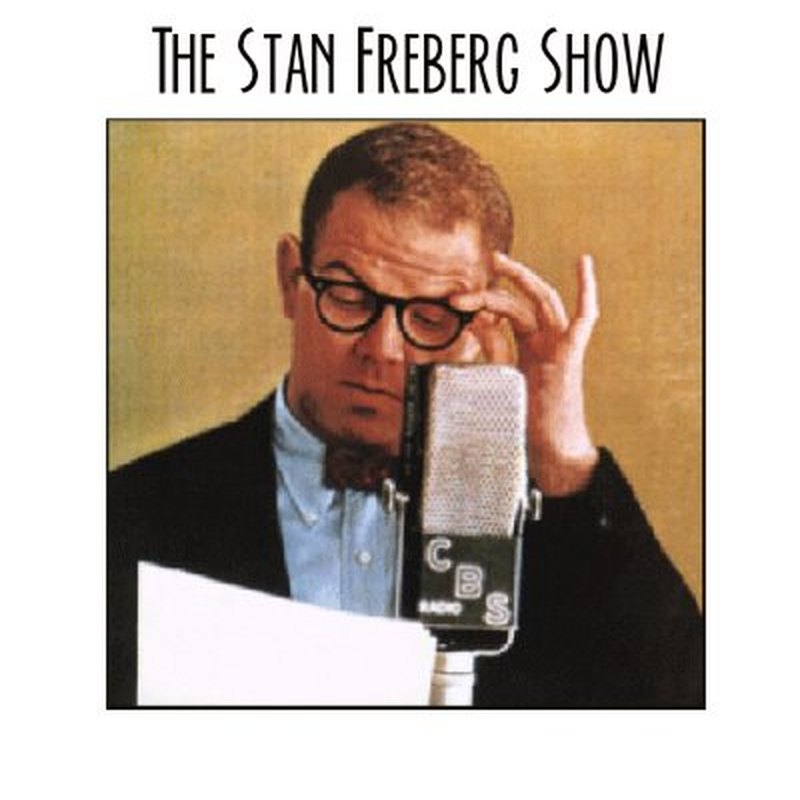
    The Stan Freberg Show

    Fifteen weeks of unsponsored satire that took apart advertising, television and radio itself, on a network that was quietly dismantling both. Modern comedy's habit of mocking its own medium starts here.

    “Radio's funeral oration, delivered by the deceased.”

    00 ballots
  38. 1946–1960s · Network radio

    Bob and Ray

    Two Boston announcers parodying the programmes on either side of them, in the flat voices of the medium itself. Every deadpan broadcast comedian since owes them the technique.

    “The invention of comedy that refuses to signal the joke.”

    00 ballots
  39. 1947–1960 · Network radio

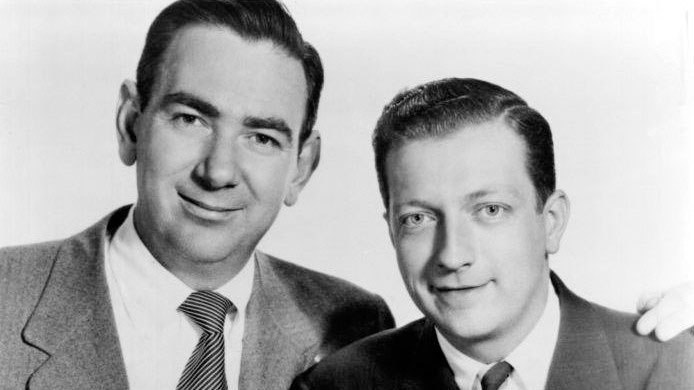
    You Bet Your Life

    A quiz that existed only so Groucho Marx could interview strangers, and the first great demonstration that the format is a pretext and the talk is the show. It moved intact to television and never changed.

    “The chat show, hiding inside a quiz.”

    00 ballots
  40. 1938–1951 · Network radio

    Information Please

    Listeners posted questions in an attempt to stump a panel of genuine experts, and the programme made erudition into popular entertainment. Public-service broadcasting has been trying to repeat the trick ever since.

    “Proof that a mass audience will turn up for intelligence.”

    00 ballots
  41. 1935–1959 · Network radio

    Fibber McGee and Molly

    The situation comedy assembled in public: a fixed address, a recurring cast of neighbours and one running gag involving a hall closet. Television took the architecture wholesale.

    “The floor plan every sitcom still uses.”

    00 ballots
  42. 1932–1955 · Network radio

    The Jack Benny Program

    Two decades of comedy built from vanity, thrift and a star willing to be the least funny person in his own cast, plus the raid that took him from NBC to CBS and rewrote how talent was bought. The pauses are the jokes.

    “The finest comic timing in broadcasting, full stop.”

    00 ballots
  43. 1932–1949 · Network radio

    The Fred Allen Show

    The most literate comedy on the air, and the most combative: Allen fought his sponsors, his network and the censors in public. Allen's Alley is also the first great ensemble of recurring comic characters.

    “The wittiest man on radio, and the least manageable.”

    00 ballots
  44. 1942 · Network radio

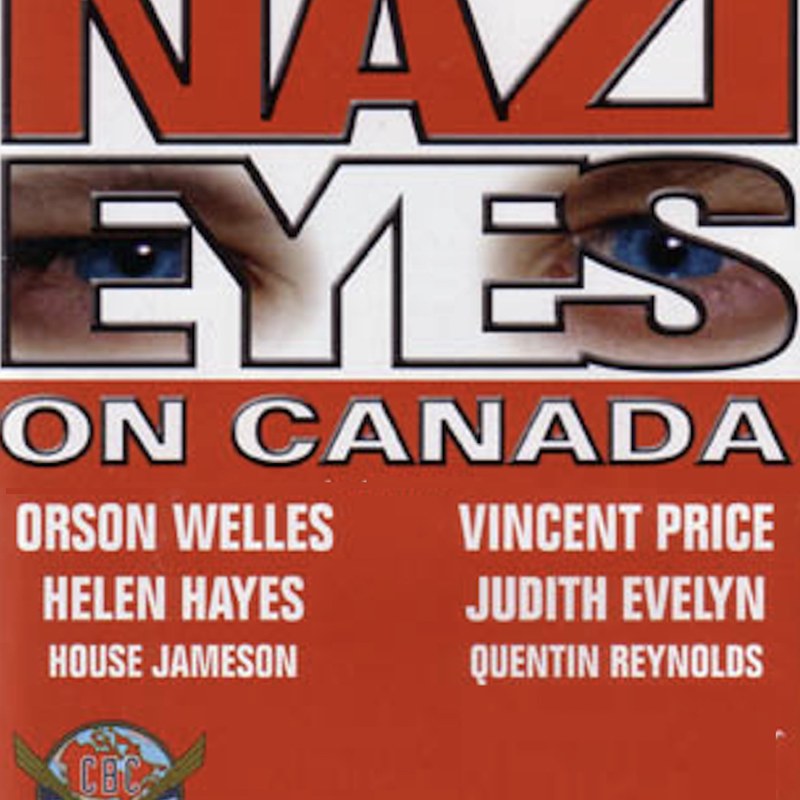
    Nazi Eyes on Canada

    A CBC war-bond series with Hollywood casts, dramatising what occupation would look like at home. State broadcasting using star power to sell a policy, done well enough to still be persuasive.

    “The most effective propaganda Canada ever put on air.”

    00 ballots
  45. 1942–1945 · Network radio

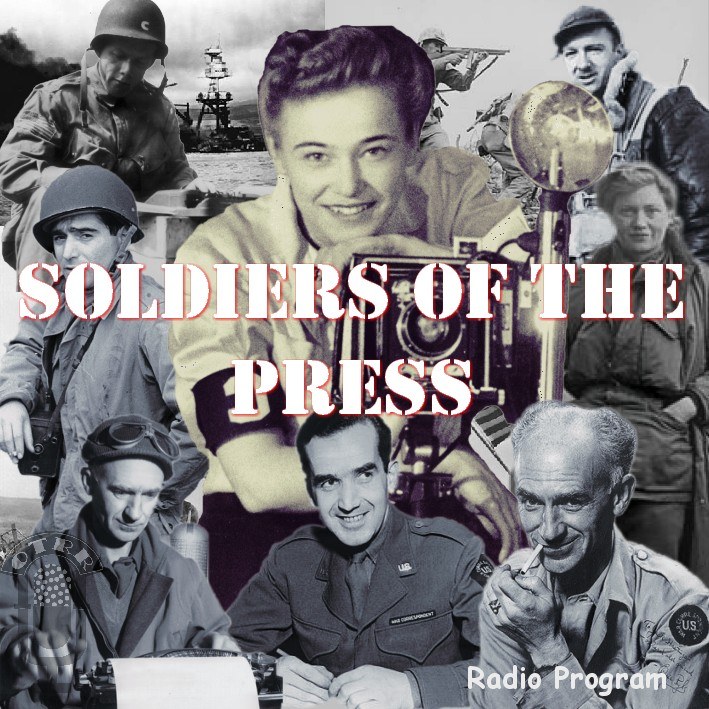
    Soldiers of the Press

    United Press correspondents' dispatches dramatised for the home front, the reporter cast as the protagonist. War reporting begins here to be a story about the reporter, for better and worse.

    “The war correspondent, promoted to leading man.”

    00 ballots
  46. 1950–1952 · Network radio

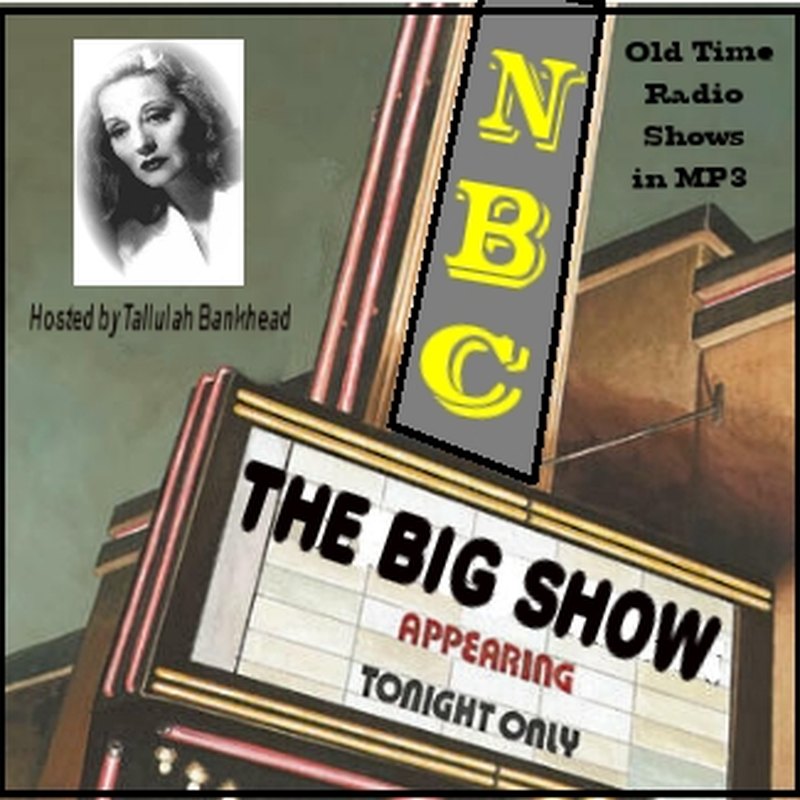
    The Big Show

    NBC's ninety-minute answer to television: Tallulah Bankhead and the most expensive bill in broadcasting, spending money the medium no longer had. It is magnificent and it did not work.

    “Radio's last extravagance, and it knew it.”

    00 ballots
  47. 1950s · Universal Newsreel

    The Universal Newsreel: The Fifties

    The house style that broadcast news grew out of and then replaced: clipped narration, brass stings, the world in eight minutes. Watching it lose to television at home is the end of this story.

    “The voice the news used before it learned to be quiet.”

    The whole run
    00 ballots
    6 min transfer

The editors’ order is judgement, not arithmetic; the listeners’ order is your ballots, one per entry, and you can change or withdraw a vote at any time. Programme dates and networks are taken from the surviving broadcast record; the recordings attached are real transfers held in this archive, with their own titles and dates left exactly as they came.