The Radio Planet

The canon of the air

The Fifty

The greatest broadcasts of the Golden Age, ranked

Fifty programmes, placed in order by hand and argued for in writing. No entry is here on reputation alone, and every one of them has a surviving recording attached, so you can settle the argument yourself.

50 entries1928–1962Ranked by hand

Cast a ballot on any entry to move it in the listeners' order.

The head of the list

1942–1962 · CBS

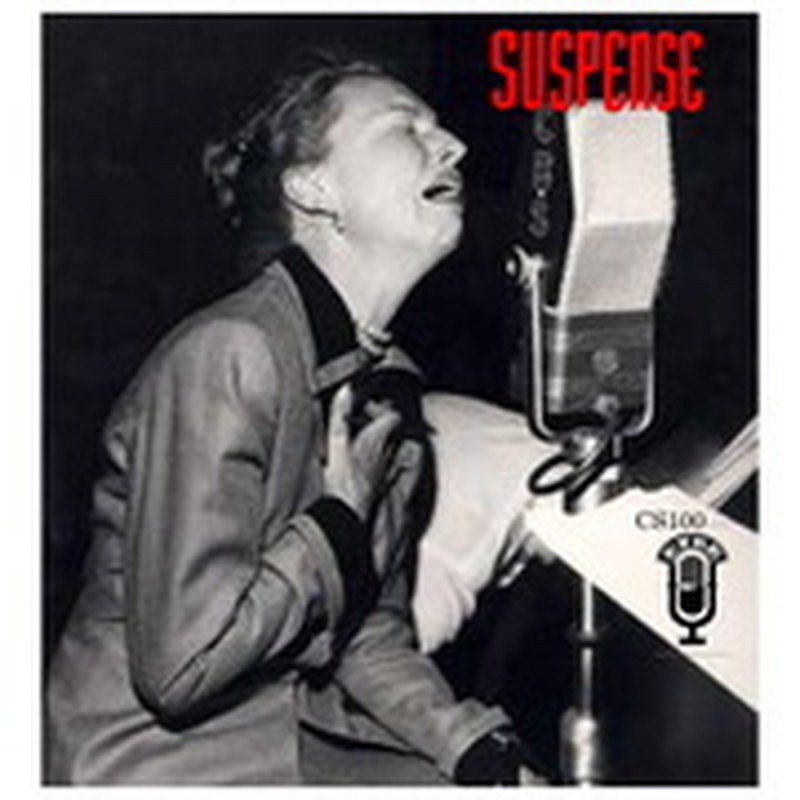
Suspense
Twenty years of CBS thrillers built on the discovery that an orchestra's greatest power on radio is the ability to stop. Film stars who would not touch television took a night at the microphone because the scripts were good, and you can hear them playing against type.

The best-made thriller series in American radio, and the quietest.

The whole run
00 ballots

Attached: Forecast The Lodger (audition)1940-07-2229 min

Suspense
Suspense cover
1947–1954 · CBS

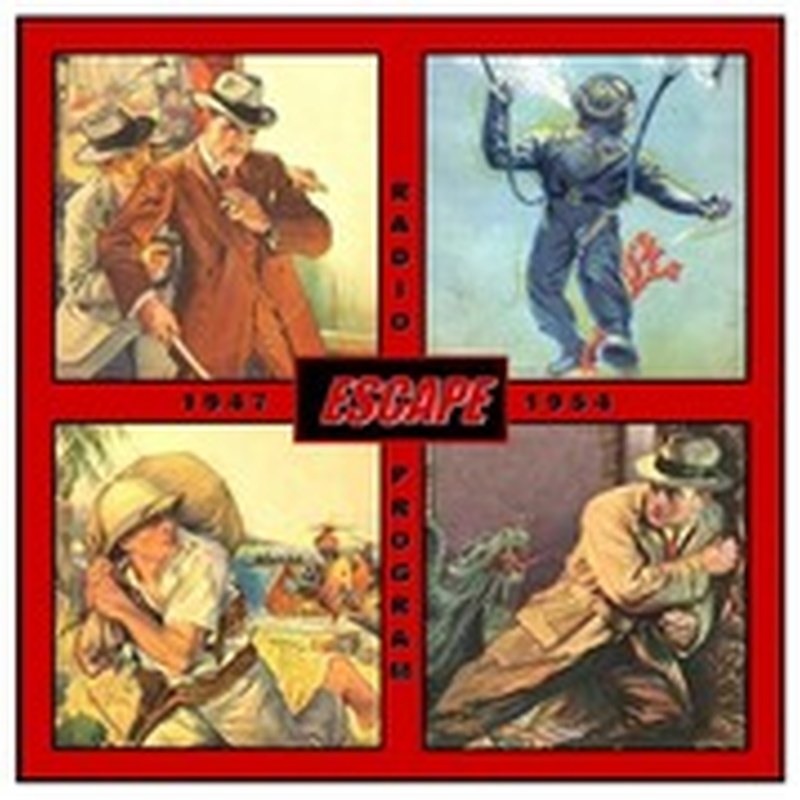
Escape

No permanent sponsor, a shifting time slot, and the same repertory players who had already done a Suspense that week — and, episode for episode, the more inventive programme. Its adaptations of short fiction are close, unsentimental, and end where a sponsored show would have softened.
The most literate adventure series of the era, made on nothing.

The whole run
00 ballots

Attached: Out Of This World (Audition)1947-02-2829 min

Escape
Escape cover

1952–1961 · CBS

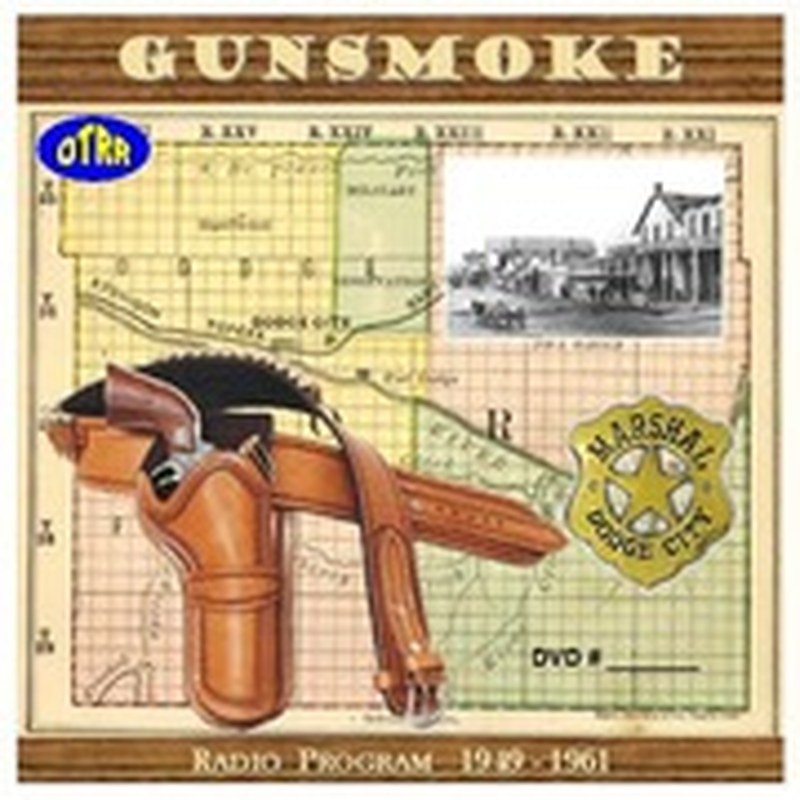
Gunsmoke

The adult western arrives fully formed: tired men, bad weather, and violence that costs something. William Conrad's Matt Dillon is a lawman who sounds like he has been standing outside in the cold, and the sound design is the finest CBS ever put on air.

The most grown-up drama series American radio produced.

The whole run
00 ballots

Attached: 49-06-011949-06-0129 min

Gunsmoke
Gunsmoke cover

Four to 50

  1. 1932–1955 · NBC

    The Jack Benny Program

    A comedian who built two decades of laughs out of vanity, thrift and the willingness to be the least funny person in his own cast. The pauses are the jokes, and no one since has had the nerve to hold them that long.

    The finest comic timing in broadcasting, full stop.

    The whole run
    00 ballots
    30 min transfer
  2. 1933–1944 · NBC / CBS / Mutual (pooled networks)

    The Fireside Chats

    Roosevelt understood before anyone in office that the microphone was not a platform but a living room. The pooled network transfers are the moment mass politics learned to speak quietly, and they remain the model every broadcast leader has worked from since.

    The broadcast that taught power to lower its voice.

    The whole run
    00 ballots
    36 min transfer
  3. 1939–1945 · BBC

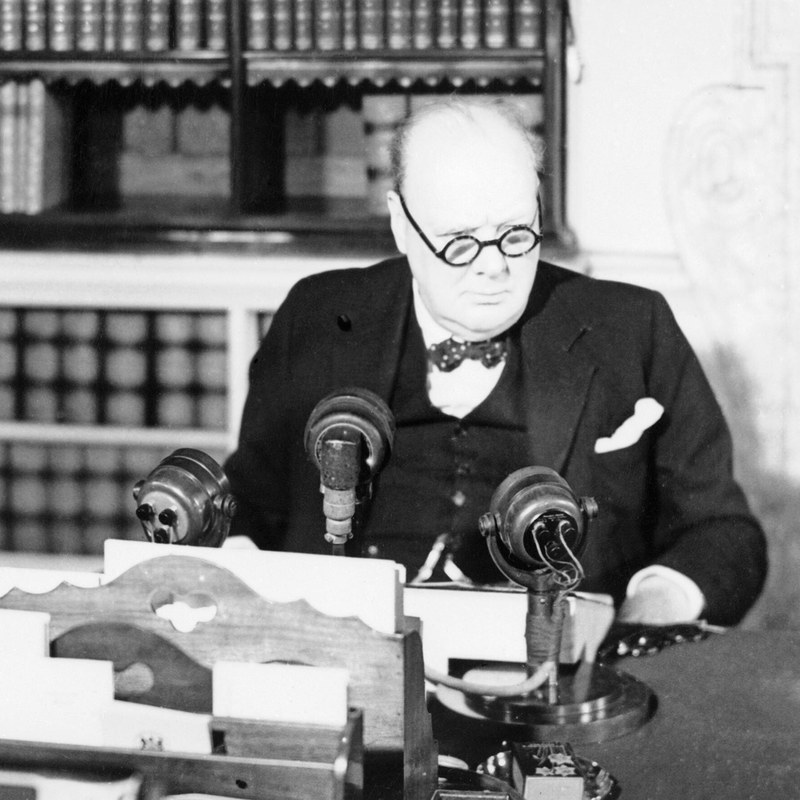
    The Churchill Broadcasts

    Written prose delivered as speech, at a moment when a country had nothing to go on but the sound of a voice being certain. The BBC transfers carry the room as well as the words, which is most of why they still work.

    Rhetoric as war material, and it held.

    The whole run
    00 ballots
    41 min transfer
  4. 1937–1954 · Mutual

    The Shadow

    The purest demonstration of what only radio can do: a character whose whole premise — invisibility — costs nothing to stage and is impossible anywhere else. The early Orson Welles seasons are the ones to start with.

    The medium's one perfect gimmick.

    The whole run
    00 ballots
    29 min transfer
  5. 1949–1957 · NBC

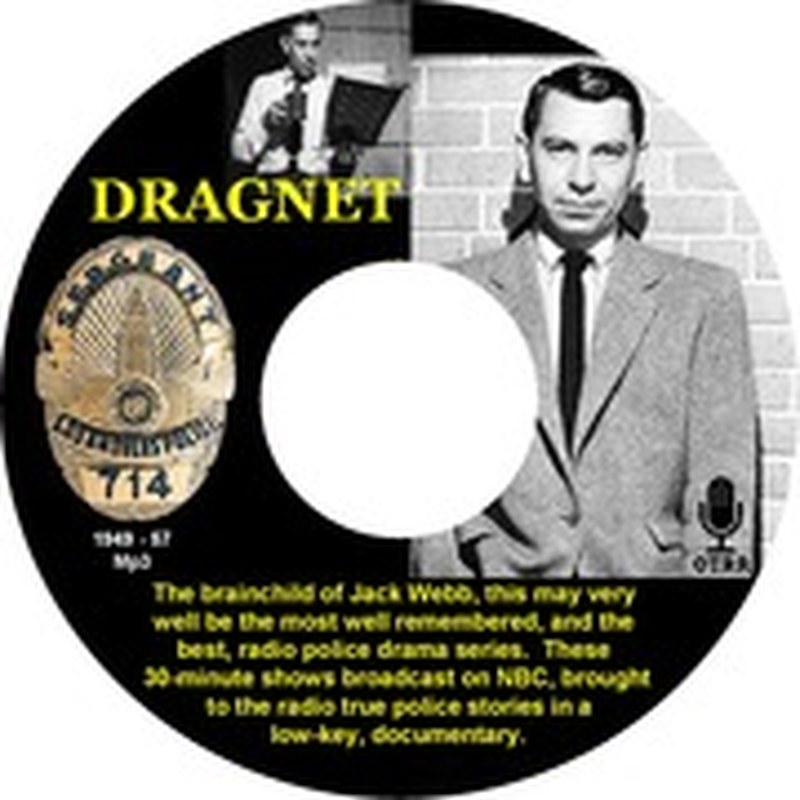
    Dragnet

    Jack Webb stripped crime drama of melodrama and replaced it with paperwork, footsteps and flat declarative speech — and made it thrilling. Every police procedural since is downstream of this sound.

    The show that invented the procedural.

    The whole run
    00 ballots
    29 min transfer
  6. 1947–1949 · Mutual / ABC

    Quiet, Please

    Wyllis Cooper writing for one actor, Ernest Chappell, talking almost directly to the listener. Small budgets, no orchestra to hide behind, and the strangest, most personal horror writing radio ever carried.

    Radio's one true auteur series.

    The whole run
    00 ballots
    15 min transfer
  7. 1934–1955 · CBS

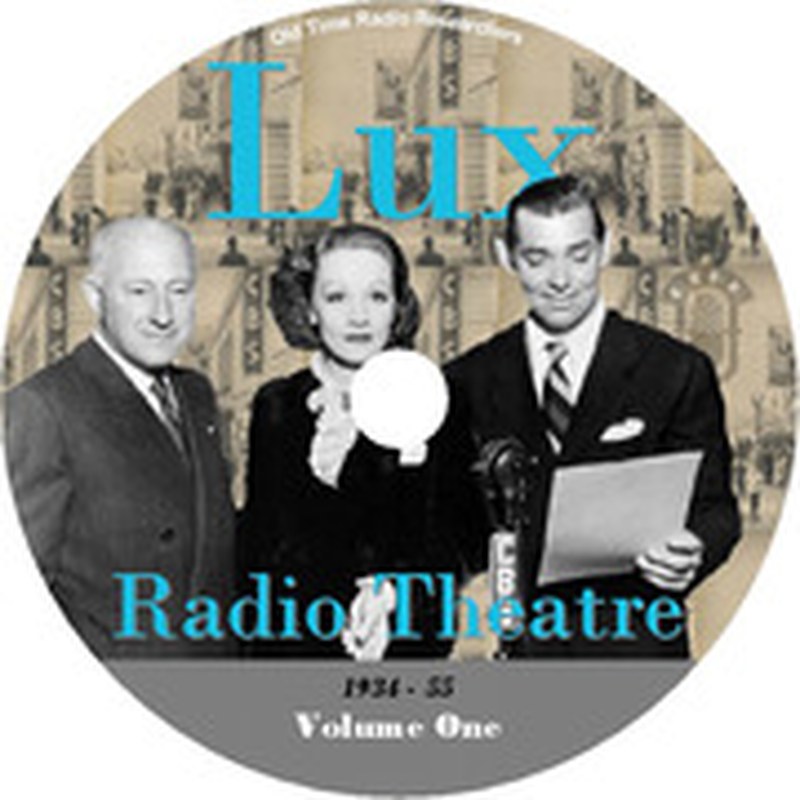
    Lux Radio Theatre

    An hour of Hollywood, weekly, with the film stars doing their own parts in front of a live audience. It is the best surviving record of how those performers actually worked when there was no camera to carry them.

    The archive of American screen acting, on audio.

    The whole run
    00 ballots
    59 min transfer
  8. 1955–1958 · NBC

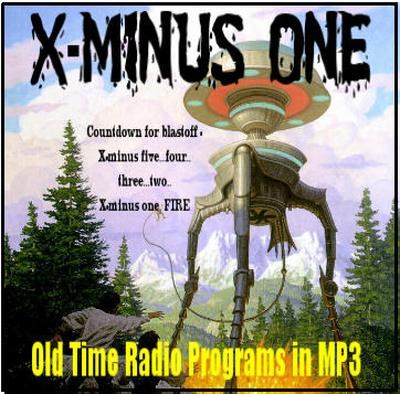
    X Minus One

    NBC adapting the best magazine science fiction of the period, with the authors' ideas left intact rather than smoothed into adventure. It is the moment the genre stopped being about rockets and started being about consequences.

    The finest science fiction ever broadcast.

    The whole run
    00 ballots
    24 min transfer
  9. 1932–1949 · NBC

    The Fred Allen Show

    The wittiest writing in American radio, and the most hostile to the industry paying for it. Allen's satire is dense enough that it repays a second listen, which is not something one can say of much weekly comedy.

    The smartest man on the air, and he knew it.

    The whole run
    00 ballots
    29 min transfer
  10. 1935–1959 · NBC

    Fibber McGee and Molly

    A situation comedy built on a house, a hall closet and a parade of neighbours arriving at the door. Its architecture — running gags, catchphrases, a fixed set of voices — is the blueprint the sitcom has used ever since.

    The template for every domestic comedy that followed.

    The whole run
    00 ballots
    19 min transfer
  11. 1949–1962 · CBS

    Yours Truly, Johnny Dollar

    An insurance investigator who narrates his cases as an expense account, item by item. The device is a joke that turns out to be a superb structure, and the Bob Bailey years are the high point of detective radio.
    The last great series, and one of the best.

    The whole run
    00 ballots
    29 min transfer
  12. 1942–1955 · CBS

    The Whistler

    A narrator who knows what is coming and cannot be seen, walking the listener through other people's bad decisions. The final twist is a house rule, and the writing is disciplined enough to make it land most weeks.

    Irony as a weekly format.

    The whole run
    00 ballots
    29 min transfer
  13. 1950–1951 · NBC

    Dimension X

    The predecessor to X Minus One, and rougher — which suits the material. Bradbury and Heinlein adaptations that treat the audience as capable of following an idea without an explanation attached.

    Where broadcast science fiction grew up.

    The whole run
    00 ballots
    30 min transfer
  14. 1946–1951 · CBS

    The Adventures of Sam Spade

    Howard Duff plays Hammett's detective as a man enjoying himself, which nobody expected and everybody copied. The dictated-report framing gives the scripts a wonderful licence to be funny about violence.

    The wittiest hard-boiled hour on the dial.

    The whole run
    00 ballots
    57 min transfer
  15. 1947–1951 · CBS

    The Adventures of Philip Marlowe

    Gerald Mohr's Marlowe is colder than the films and closer to the page. The series takes Chandler's similes seriously as sound, and the Los Angeles it builds out of traffic and door-buzzers is entirely convincing.

    The best-sounding city in radio noir.

    The whole run
    00 ballots
    24 min transfer
  16. 1932–1944 · NBC

    Vic and Sade

    Paul Rhymer wrote fifteen minutes a day about almost nothing — a letter, a neighbour, a small misunderstanding — in some of the finest American vernacular prose of the century. Nothing happens, beautifully.

    The best-written programme in daytime radio.

    The whole run
    00 ballots
    10 min transfer
  17. 1934–1947 · NBC

    Lights Out

    Arch Oboler pushing horror further than the networks were comfortable with, and inventing much of the sound-effect grammar the genre still uses. Crude in places, genuinely nasty in others.

    The first series that made radio frightening.

    The whole run
    00 ballots
    30 min transfer
  18. 1956–1957 · CBS

    The CBS Radio Workshop

    A sustaining experimental hour arriving after the audience had already left for television, and using the freedom that grants. Aldous Huxley narrating his own Brave New World is the calling card, but the sound experiments are the reason to stay.

    Radio's late, unhurried avant-garde.

    The whole run
    00 ballots
    29 min transfer
  19. 1941–1952 · NBC Blue

    Inner Sanctum Mysteries

    The creaking door and a host who will not stop making jokes about the corpse. The comedy is the point: it makes the audience complicit before the story has begun.

    Horror with a wink, and the wink works.

    The whole run
    00 ballots
    24 min transfer
  20. 1941–1957 · NBC

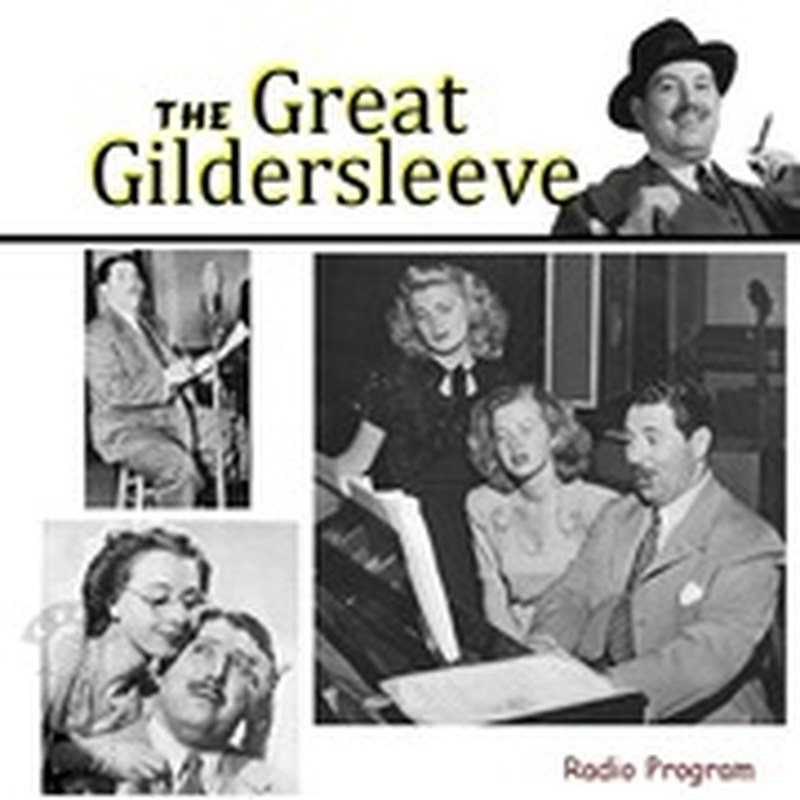
    The Great Gildersleeve

    Radio's first true spin-off, and better than the show it came from. A pompous water commissioner raising his sister's children, played with enough warmth that the character actually develops across seasons.

    The first sitcom that let its lead grow up.

    The whole run
    00 ballots
    29 min transfer
  21. 1948–1957 · CBS

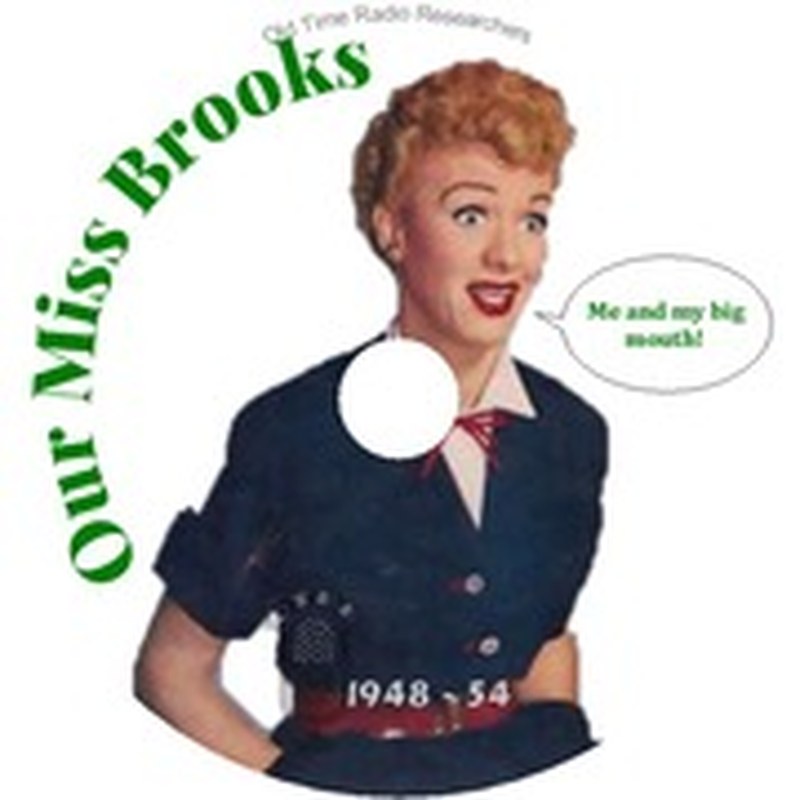
    Our Miss Brooks

    Eve Arden as an underpaid English teacher whose weapon is the aside. The scripts are unusually sharp about money, work and the indignity of a staffroom.

    The best-written workplace comedy of the era.

    The whole run
    00 ballots
    17 min transfer
  22. 1933–1954 · Mutual

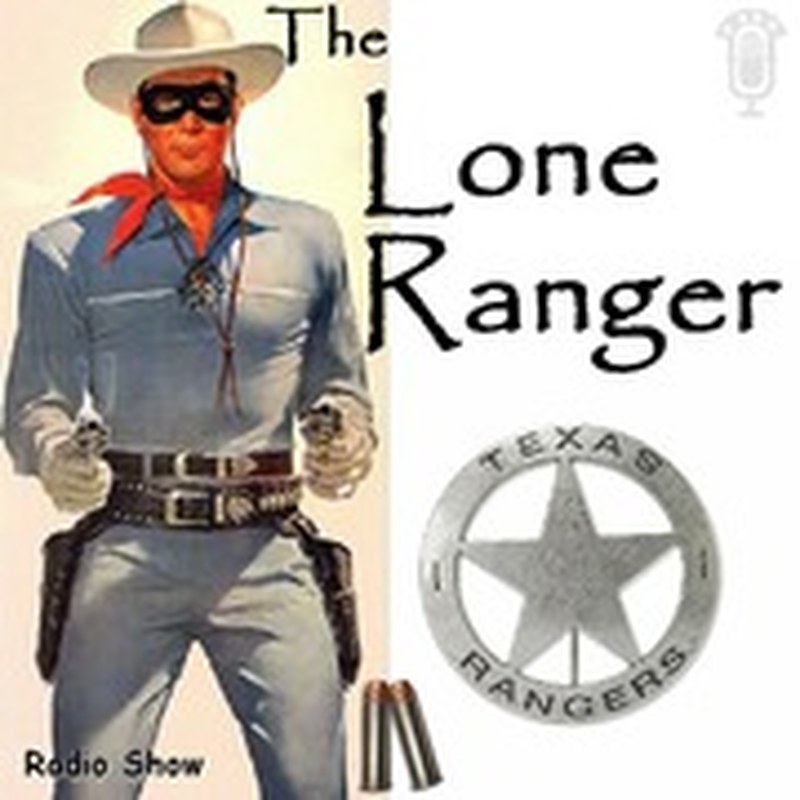
    The Lone Ranger

    A local Detroit serial that became a national institution on the back of an overture, a horse and a strict moral code the writers refused to bend. The pace and clarity of its storytelling remain a lesson.

    The most influential serial in broadcasting.

    The whole run
    00 ballots
    29 min transfer
  23. 1942–1949 · AFRS

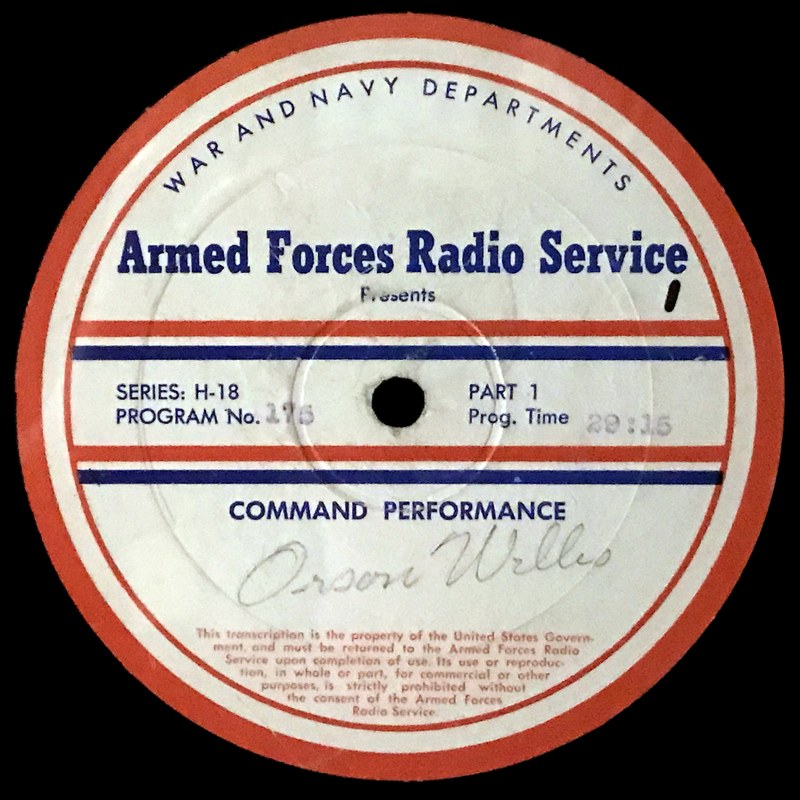
    Command Performance

    Made for troops overseas, with no sponsor and no time limit, so the biggest stars in America turn up and misbehave. The looseness is the value: it is the closest the era gets to hearing these performers off duty.

    The great stars, unbuttoned.

    The whole run
    00 ballots
    30 min transfer
  24. 1943–1945 · NBC

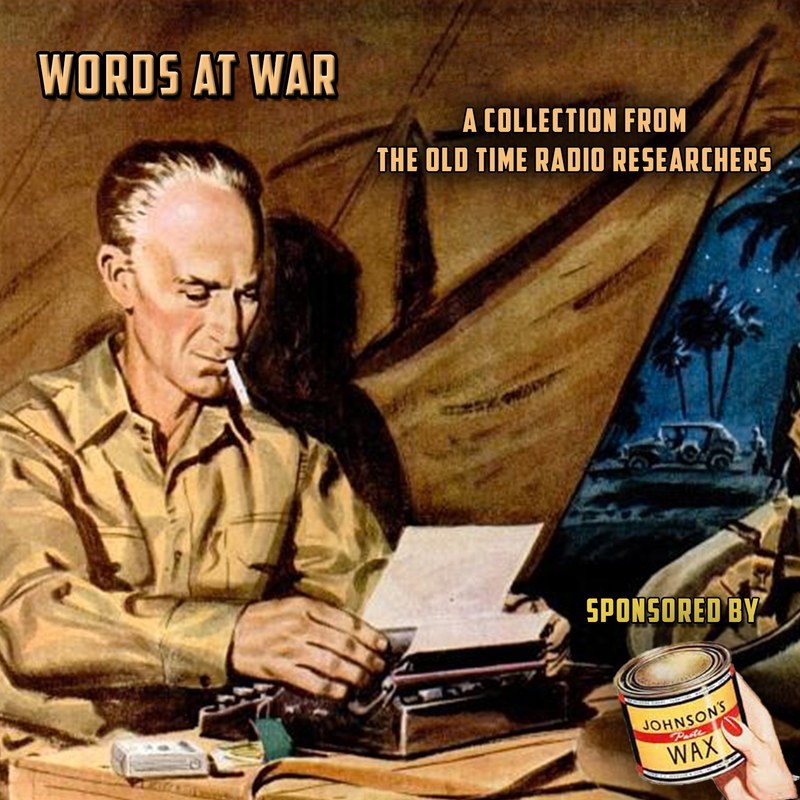
    Words at War

    NBC dramatising the books coming out of the war while it was still being fought, often within months of publication. Unusually bleak for network radio, and unusually honest about what was being described.

    Wartime radio that refused to console.

    The whole run
    00 ballots
    29 min transfer
  25. 1950–1951 · CBS

    Hear It Now

    Murrow and Fred Friendly assembling the week out of actuality recordings rather than studio narration. It ran a single season before becoming See It Now on television, and it invented the form both media still use.

    The birth of the broadcast documentary.

    The whole run
    00 ballots
    59 min transfer
  26. 1943–1952 · Mutual

    The Mysterious Traveler

    A stranger on a night train telling stories to a passenger who cannot get off. Mutual made it cheaply and the writing carries it, ranging from science fiction to plain crime with no warning.

    The best anthology on the poor man's network.

    The whole run
    00 ballots
    28 min transfer
  27. 1958 · CBS

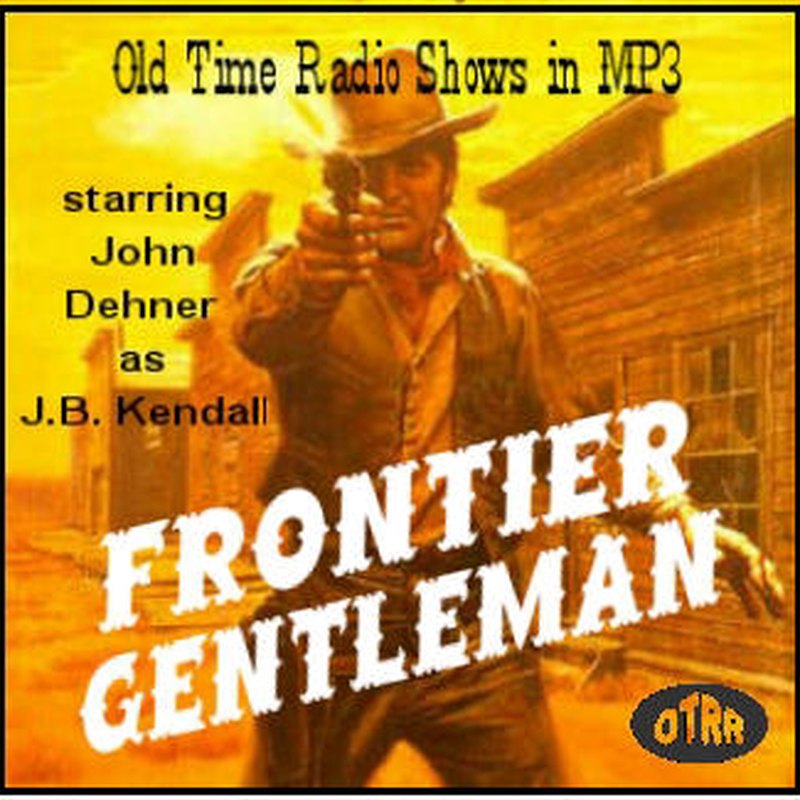
    Frontier Gentleman

    A correspondent for the London Times riding through the American West, which lets the series observe rather than participate. One short season, and almost every episode is worth the time.

    The most elegant western radio made.

    The whole run
    00 ballots
    26 min transfer
  28. 1956 · CBS

    Fort Laramie

    The Gunsmoke company turning the same craft on cavalry life: mud, boredom, bad orders and occasional violence. Raymond Burr leads, and the series is unusually unromantic about the army.

    Gunsmoke's discipline, pointed at the frontier.

    The whole run
    00 ballots
    30 min transfer
  29. 1953–1954 · CBS

    Crime Classics

    Elliott Lewis dramatising documented historical murders with a dry, almost academic narrator. The refusal to sensationalise is exactly what makes it unnerving.

    True crime, seventy years early and better behaved.

    The whole run
    00 ballots
    26 min transfer
  30. 1949–1954 · CBS

    Broadway Is My Beat

    A detective series carried almost entirely by its prose: Times Square described in long, rhythmic narration over a jazz score. Elliott Lewis's production is as stylised as radio ever got.

    The most beautifully written crime series on air.

    The whole run
    00 ballots
    28 min transfer
  31. 1950–1952 · NBC

    Night Beat

    Frank Lovejoy as a night-shift newspaperman finding stories that are usually sad rather than criminal. It is the rare crime-adjacent series more interested in people than in plot.

    The city after midnight, without a gun.

    The whole run
    00 ballots
    29 min transfer
  32. 1946–1949 · ABC

    Pat Novak for Hire

    Jack Webb before Dragnet, in the most extravagantly overwritten hard-boiled dialogue ever broadcast. It is nearly a parody and entirely enjoyable, and you can hear him working out what to discard later.

    Noir with the dial turned past the stop.

    The whole run
    00 ballots
    29 min transfer
  33. 1937–1956 · NBC

    Edgar Bergen and Charlie McCarthy

    A ventriloquist act, on radio, as the most popular programme in America — an absurdity that says everything about how listeners built pictures. Charlie's rudeness to guest stars is still the funniest thing in it.

    The medium's greatest logical impossibility.

    The whole run
    00 ballots
    59 min transfer
  34. 1934–1950 · CBS

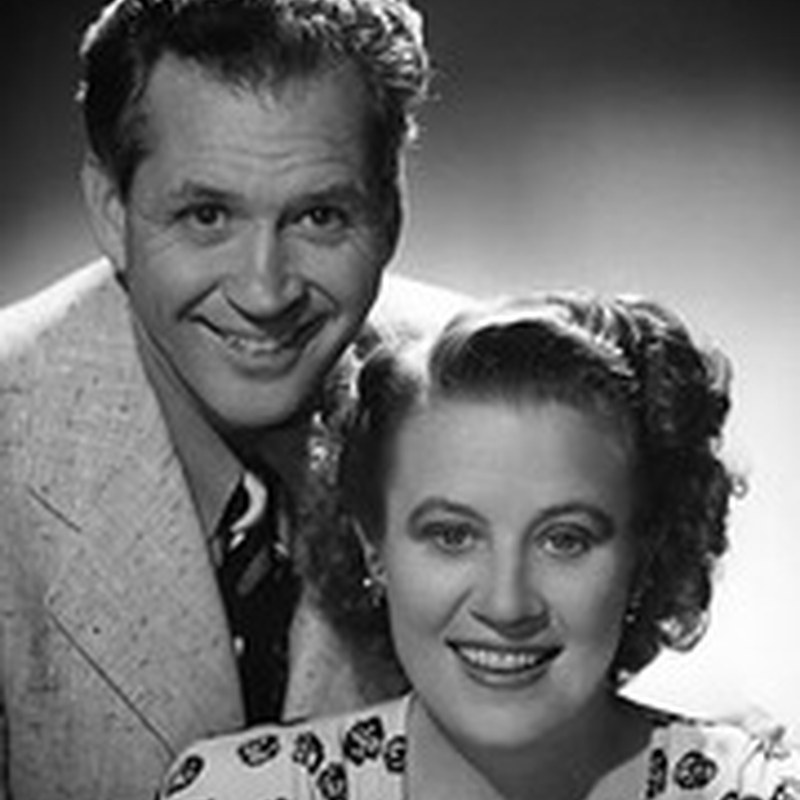
    The George Burns and Gracie Allen Show

    Gracie Allen's illogic is constructed with real precision, and Burns's job — standing there, letting it happen — is harder than it sounds. The later domestic-format seasons are the strongest.

    The most disciplined nonsense in comedy.
    The whole run
    00 ballots
    17 min transfer
  35. 1941–1951 · NBC

    Duffy's Tavern

    Ed Gardner as a bar manager mangling the language with total confidence, in front of guests who play along. The malapropisms are written, not improvised, and they are excellent.

    Where the elite meet, and the jokes are better than they need to be.

    The whole run
    00 ballots
    29 min transfer
  36. 1950–1952 · NBC

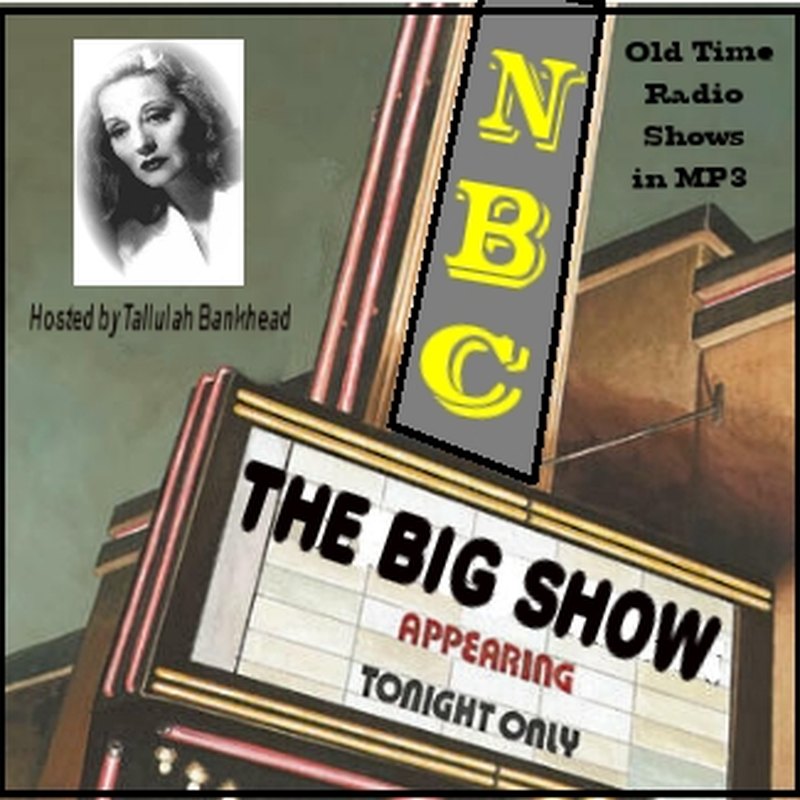
    The Big Show

    NBC's ninety-minute counterattack against television, with Tallulah Bankhead presiding over more stars than the budget could really justify. Radio going down expensively, and knowing it.

    The last great extravagance of network radio.

    The whole run
    00 ballots
    1h 28m transfer
  37. 1957 · CBS

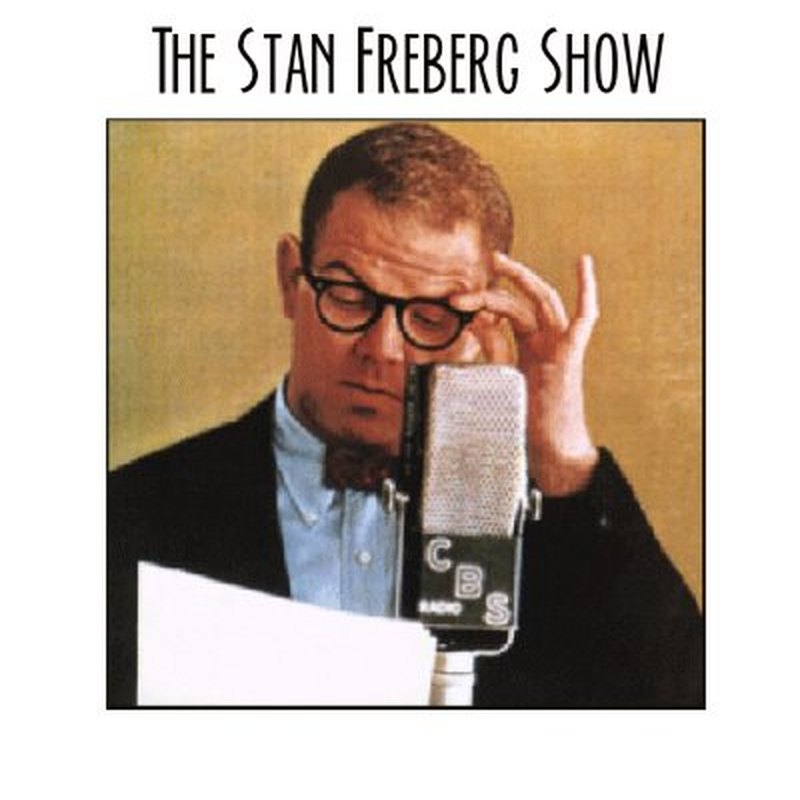
    The Stan Freberg Show

    Fifteen unsponsored weeks of satire aimed squarely at advertising, television and radio itself, at the exact moment all three were most vulnerable. It could not last and should not have been possible.

    The funniest suicide note in broadcasting.

    The whole run
    00 ballots
    29 min transfer
  38. 1946–1960 · NBC

    Bob and Ray

    Two men parodying the conventions of radio from inside a working radio station: the interviewer, the serial, the expert with nothing to say. Deadpan to the point of anti-comedy, and enormously influential.

    The medium making fun of itself, perfectly.

    The whole run
    00 ballots
    29 min transfer
  39. 1947–1960 · NBC

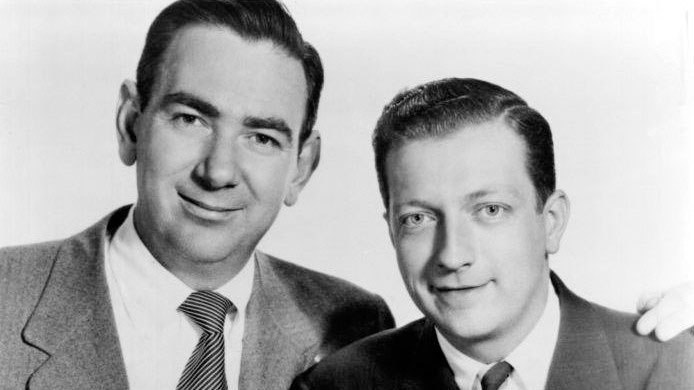
    You Bet Your Life

    A quiz show as a pretext for Groucho Marx to talk to members of the public. The questions are irrelevant; the interviews are some of the best unscripted comedy of the century.

    The quiz that was really a conversation.

    The whole run
    00 ballots
    29 min transfer
  40. 1928–1955 · CBS

    Amos 'n' Andy

    The programme that proved a nightly serial could stop a nation, and did so through white performers in racial caricature — a fact inseparable from its history. It is here because the archive is a record, and the record includes what the era got wrong.

    The most consequential serial in radio, and the most troubling.

    The whole run
    00 ballots
    6 min transfer
  41. 1953–1954 · NBC

    The Six Shooter

    James Stewart as a drifter who would rather talk his way out, in a western that keeps finding room for comedy and Christmas ghosts. One season, and a remarkably light touch.

    The gentlest gunfighter on the air.

    The whole run
    00 ballots
    23 min transfer
  42. 1943–1957 · CBS

    Romance

    A CBS anthology that drifted from love stories into adventure and back, using the Escape and Suspense repertory. Uneven by design, and the good ones are very good.
    The anthology that never quite decided, to its benefit.

    The whole run
    00 ballots
    29 min transfer
  43. 1951–1952 · BBC Light Programme

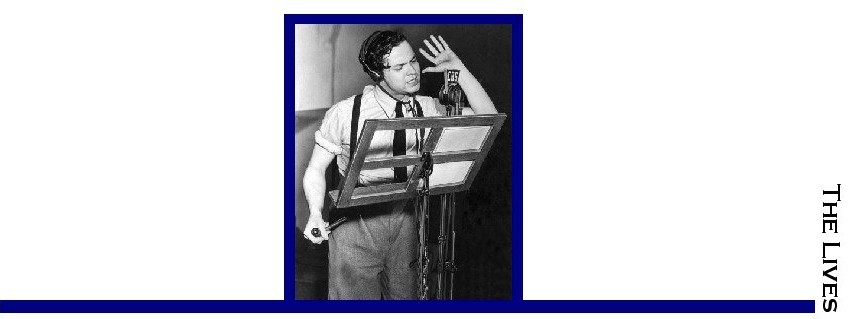
    The Lives of Harry Lime

    Orson Welles returning to the character from The Third Man as a prequel, narrating his own confidence tricks with obvious delight. Recorded in London, and unmistakably his.

    Welles enjoying himself, at length.

    The whole run
    00 ballots
    27 min transfer
  44. 1935–1953 · NBC

    Cavalcade of America

    Corporate-sponsored American history, researched more carefully than the format required and staged with first-rank casts. The sponsorship shapes what it chooses; it rarely shapes the craft.

    History as a company likes it, made better than it had to be.

    The whole run
    00 ballots
    59 min transfer
  45. 1935–1957 · ABC

    Gang Busters

    Case files dramatised at volume, opened by a barrage of sirens and machine-gun fire loud enough to give the language a phrase. The closing description of a wanted fugitive turned listeners into a search party.
    The loudest programme on the dial, and it earned it.

    The whole run
    00 ballots
    30 min transfer
  46. 1943–1953 · Armed Forces Radio Service

    Jubilee

    An Armed Forces Radio variety programme built around Black musicians at a moment when commercial network radio largely would not carry them. The playing is extraordinary and much of it exists nowhere else.

    The best jazz the military ever recorded by accident.

    The whole run
    00 ballots
    29 min transfer
  47. 1937–1954 · Blue / CBS / NBC

    Grand Central Station

    An anthology framed by one of the great opening narrations in broadcasting — a train slowing into the heart of the city, and a story picked out of the crowd. The stories vary; the arrival never does.

    The finest opening thirty seconds in radio.

    The whole run
    00 ballots
    17 min transfer

The editors’ order is judgement, not arithmetic; the listeners’ order is your ballots, one per entry, and you can change or withdraw a vote at any time. Programme dates and networks are taken from the surviving broadcast record; the recordings attached are real transfers held in this archive, with their own titles and dates left exactly as they came.